Gates and Doors: Scriptural Reasoning Brings Jacksonville’s Faith Communities Together
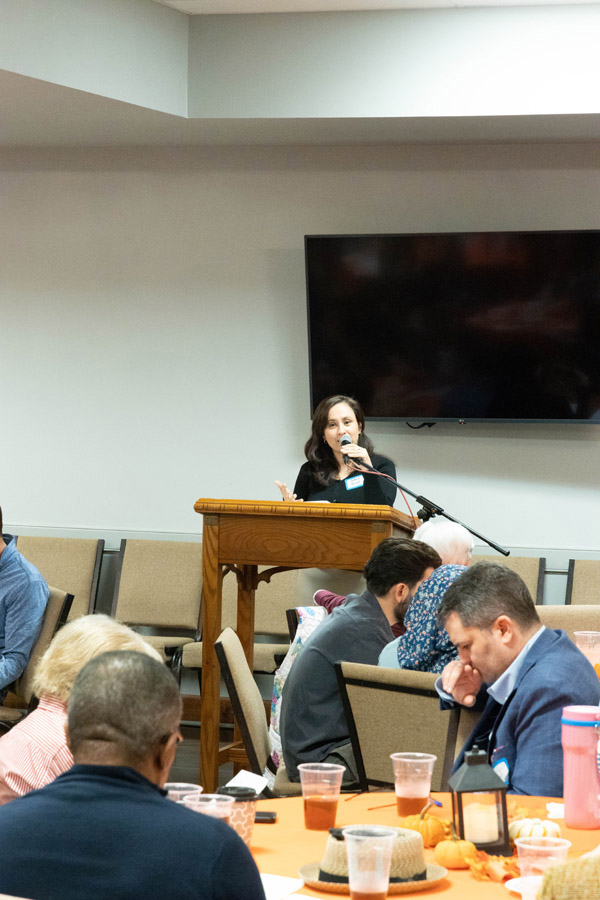
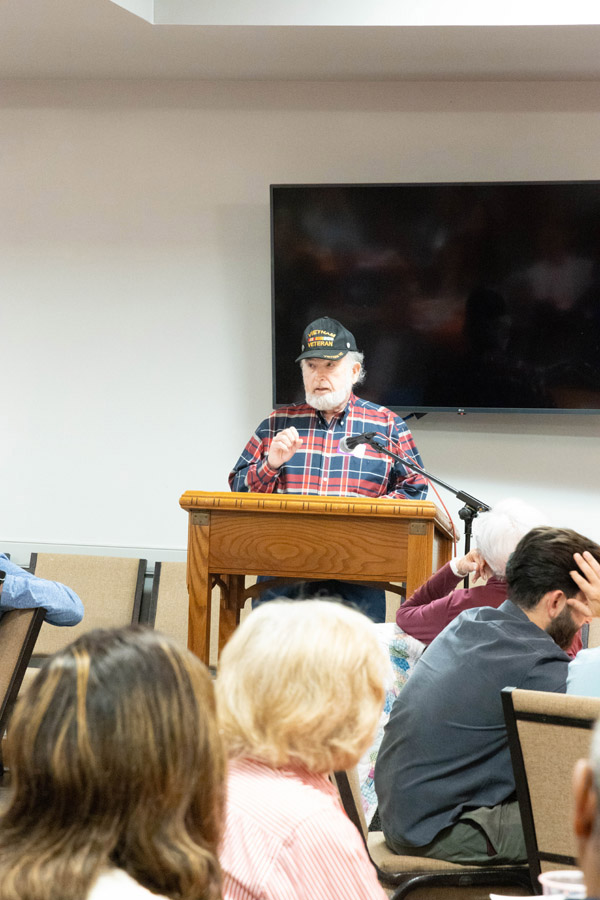
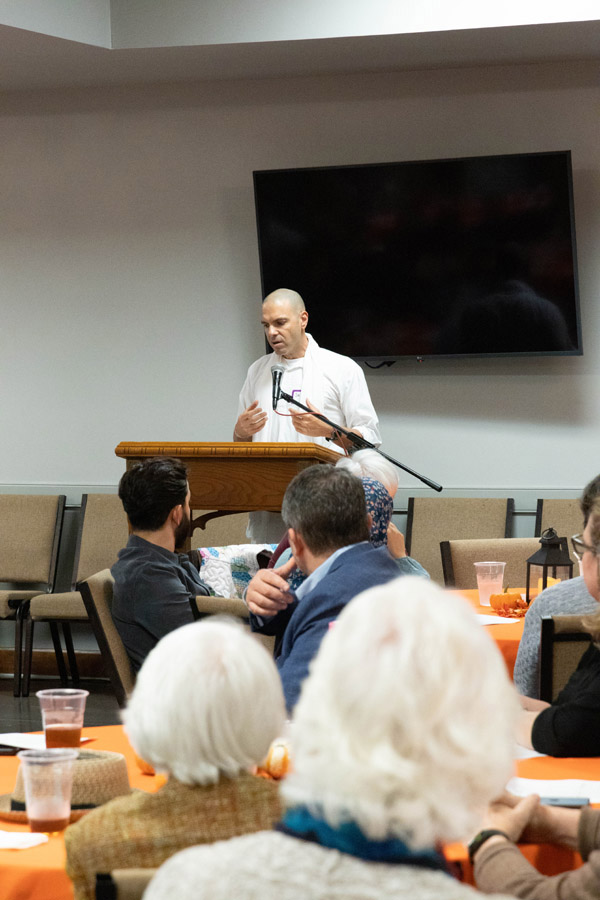
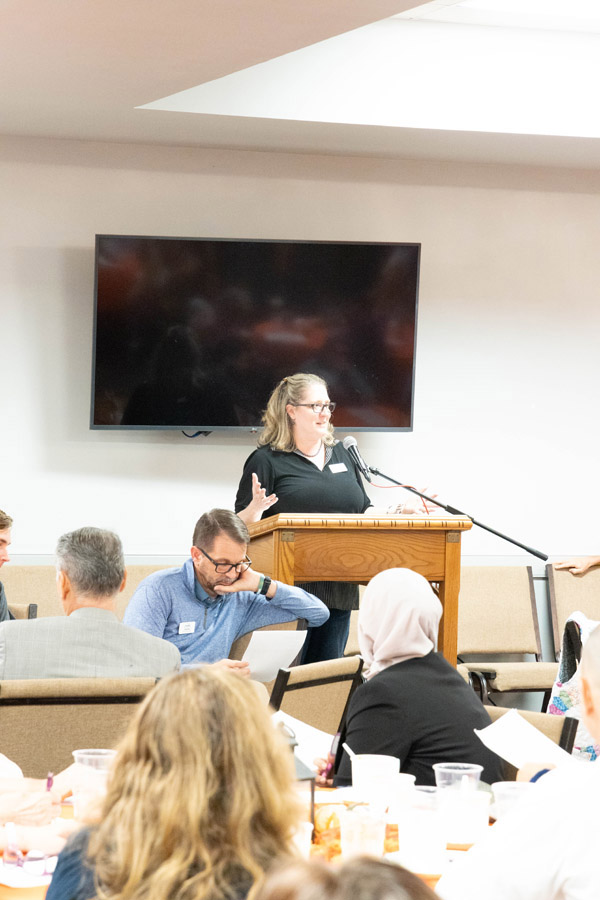
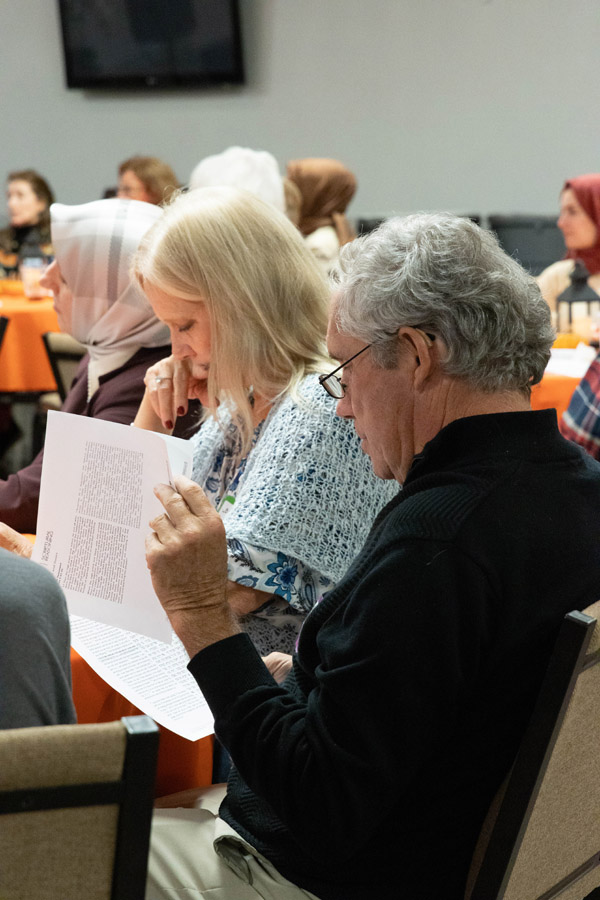
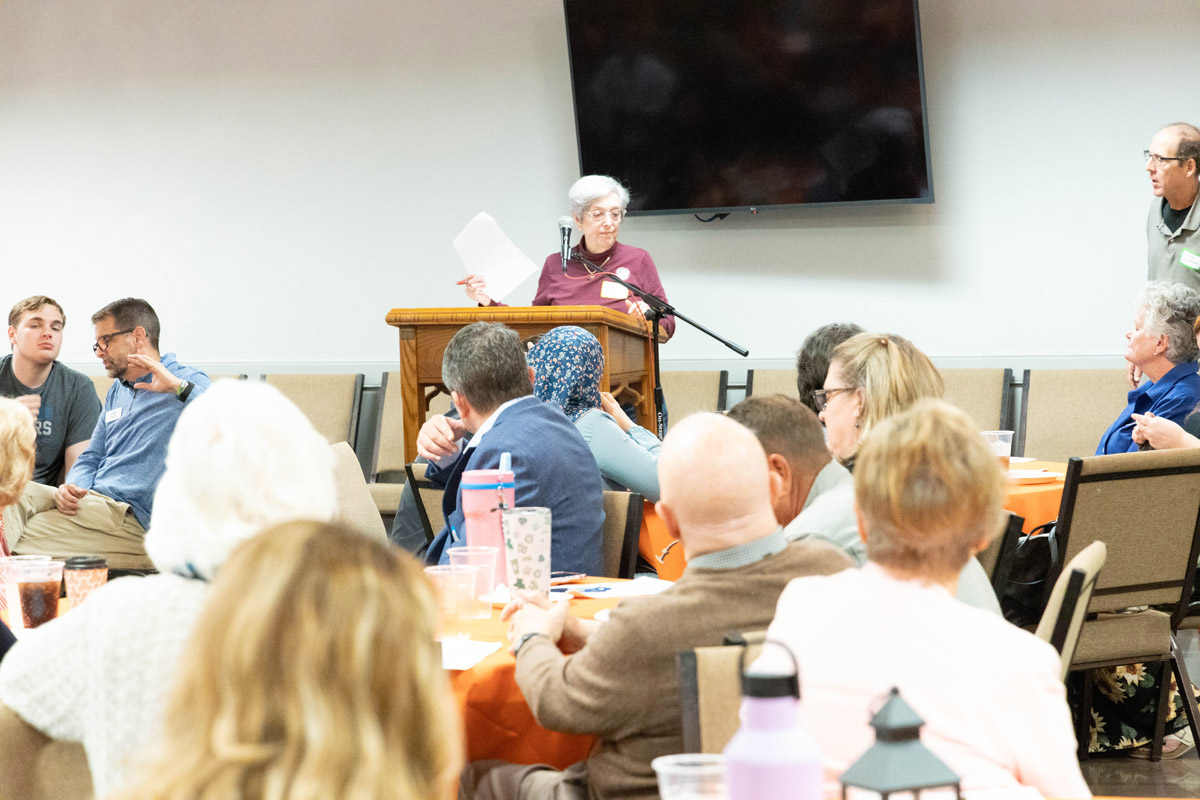
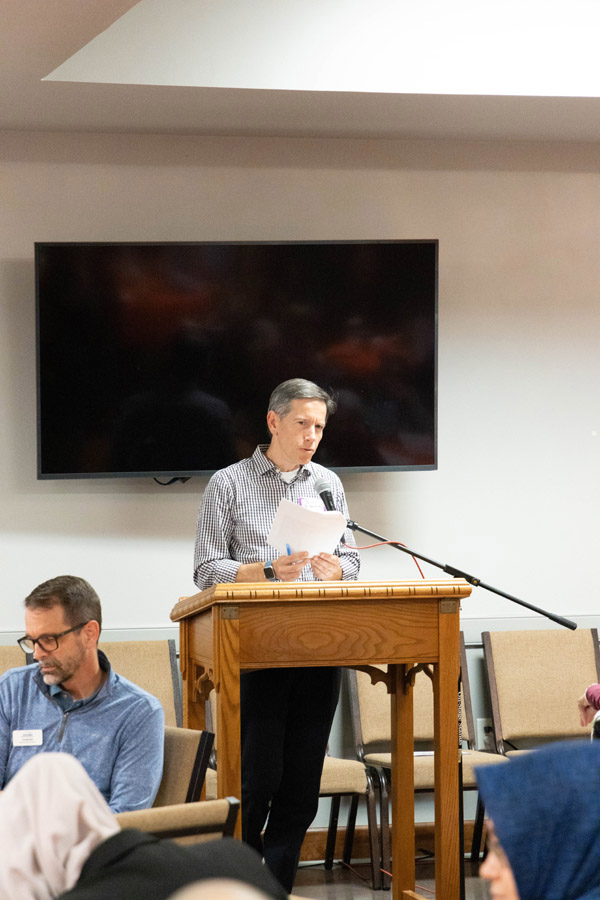
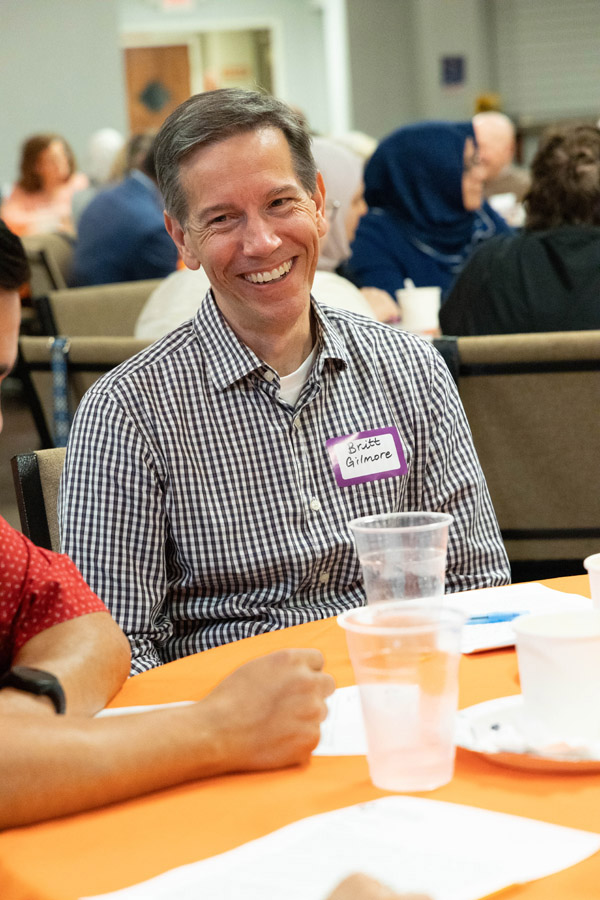
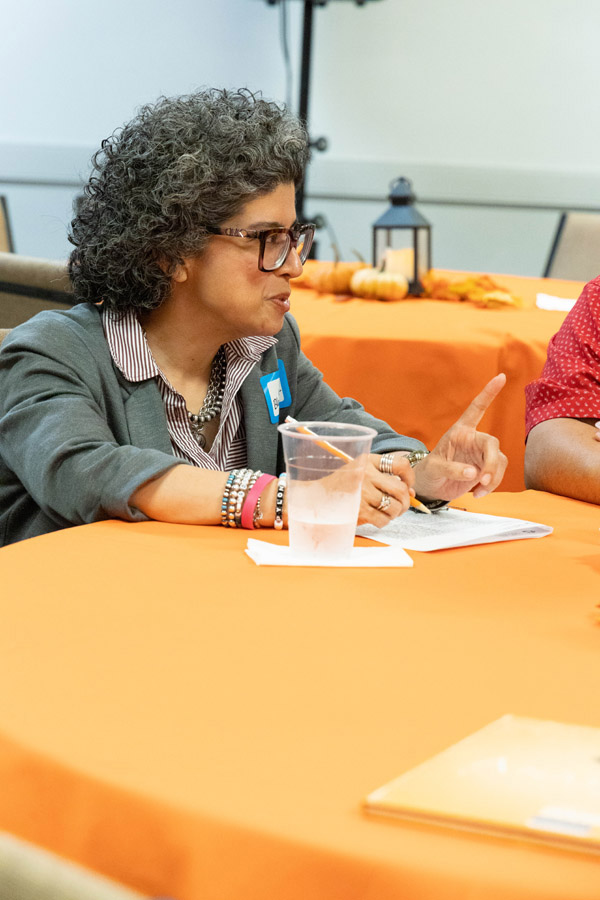
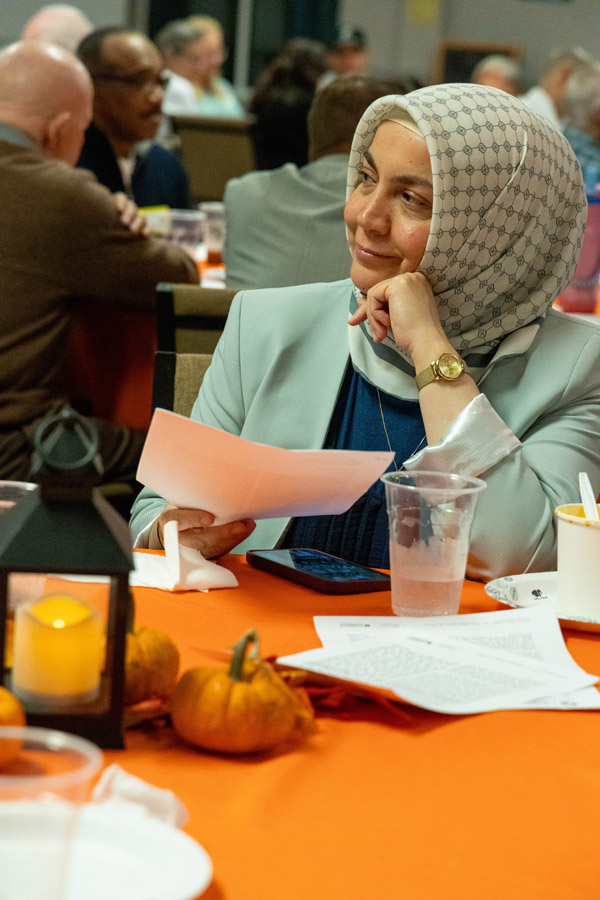
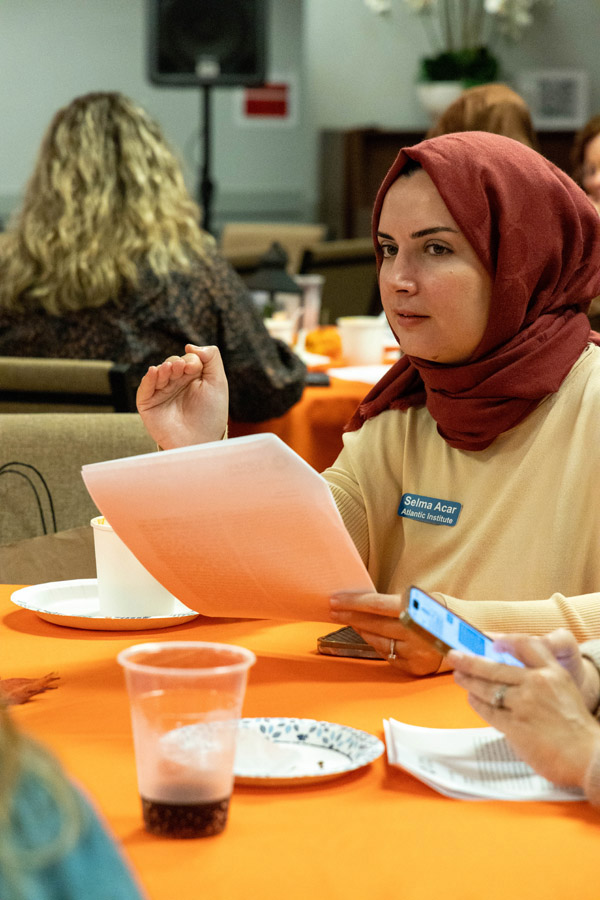
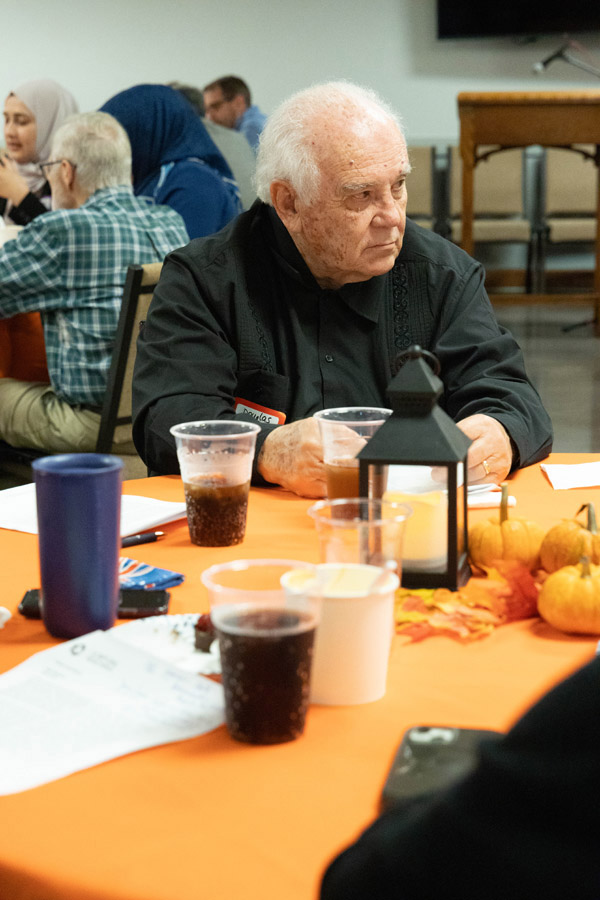
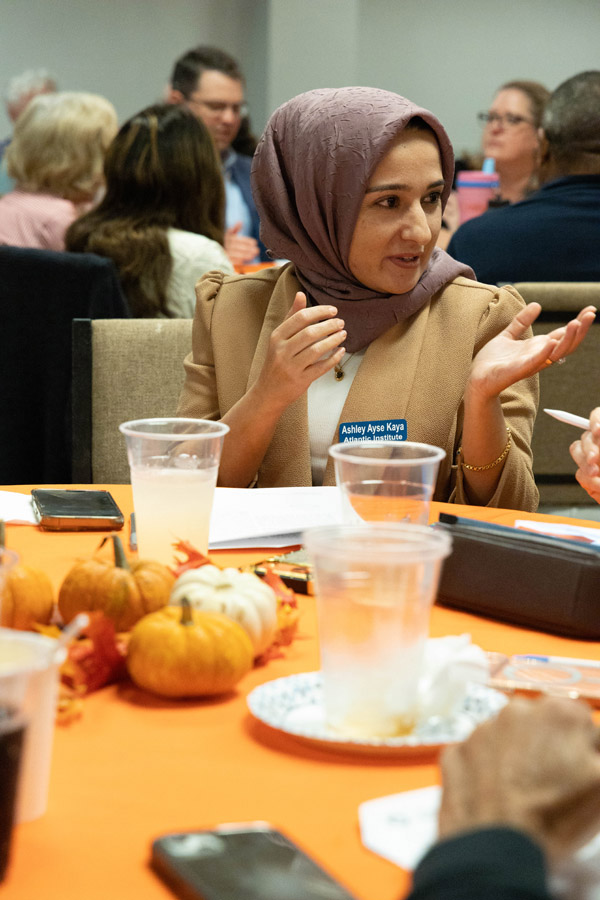
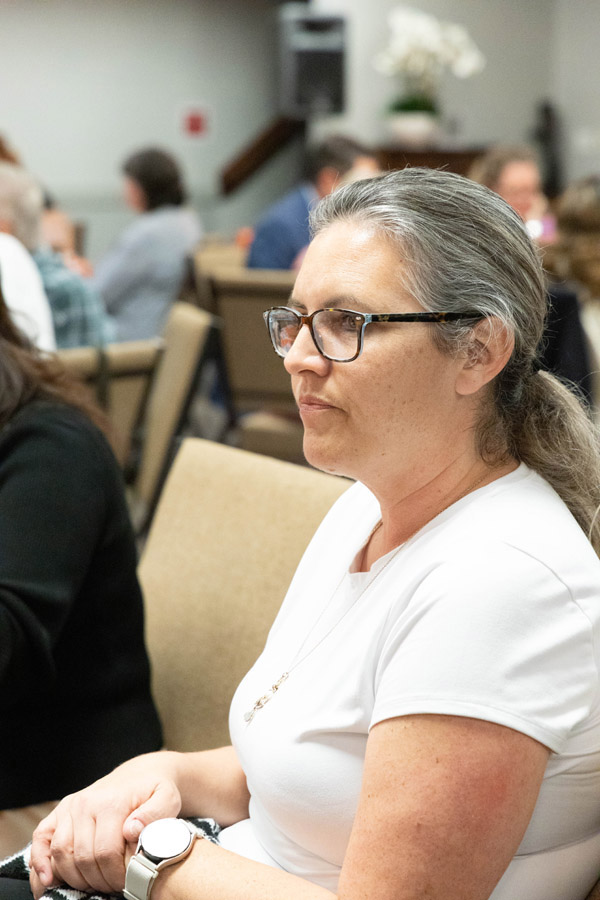
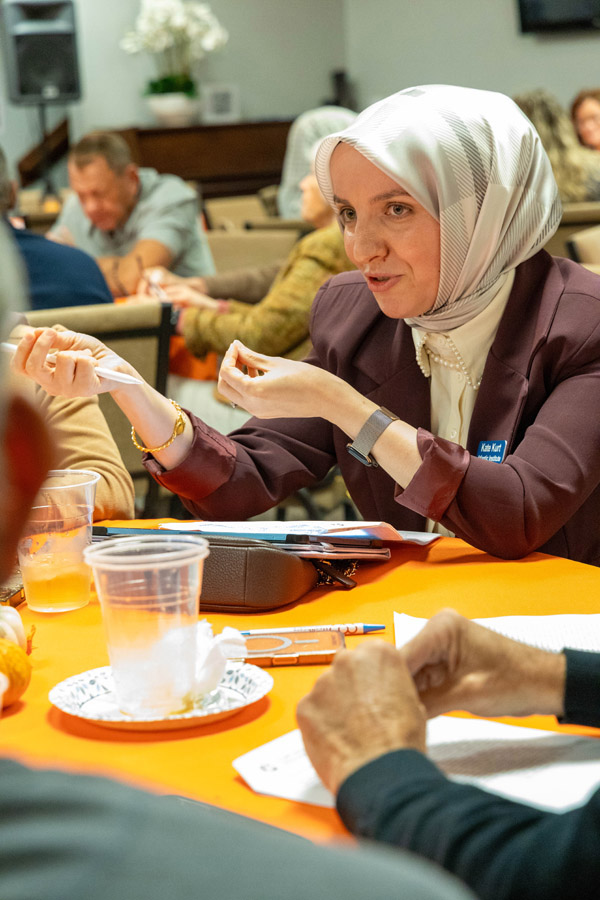
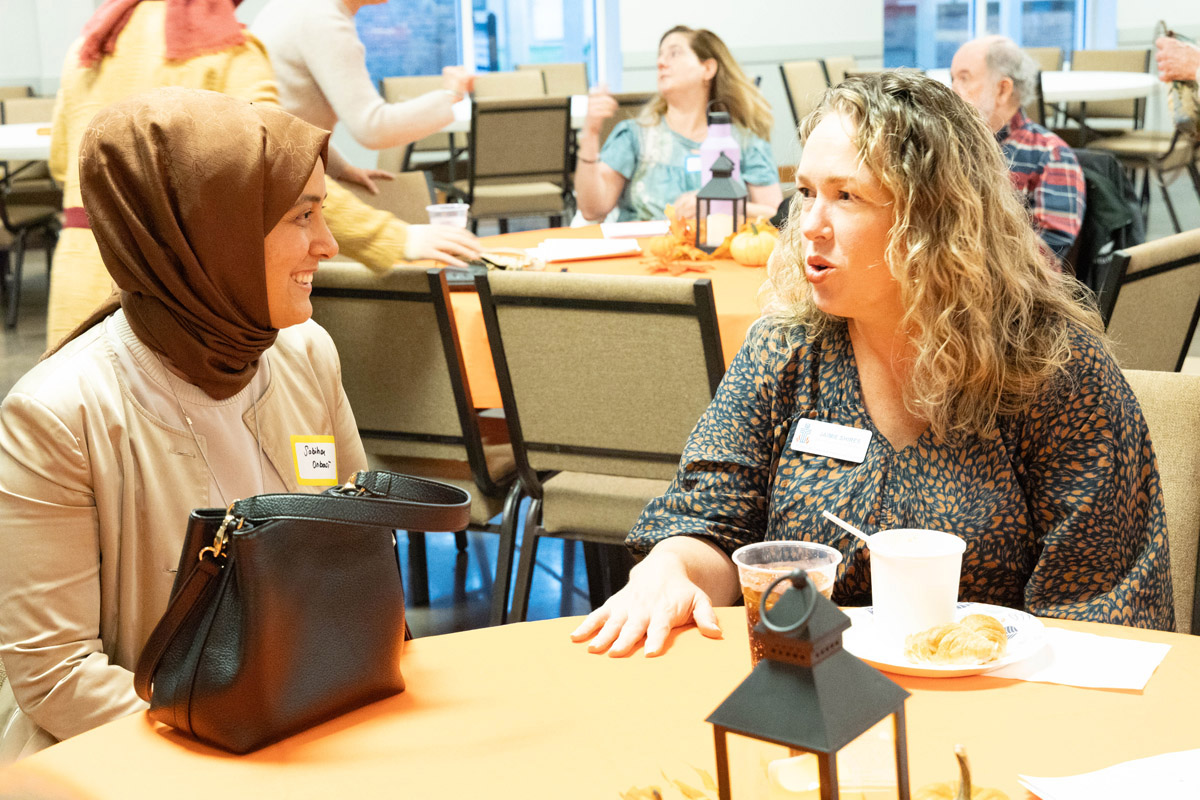
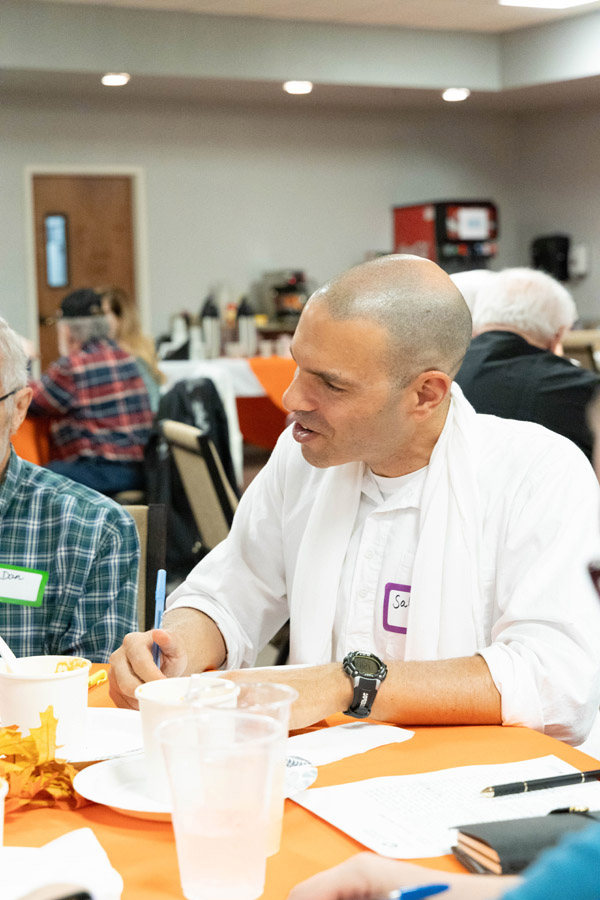
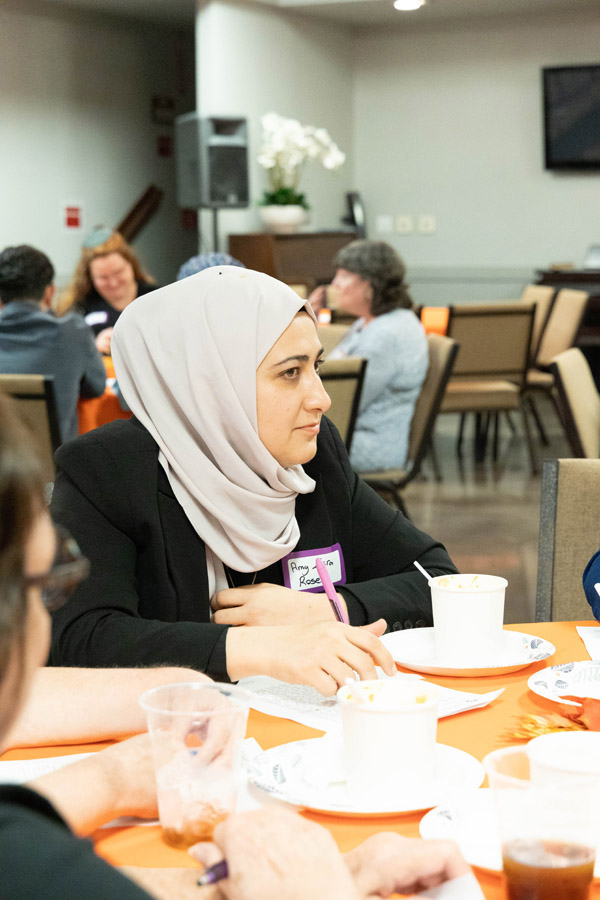
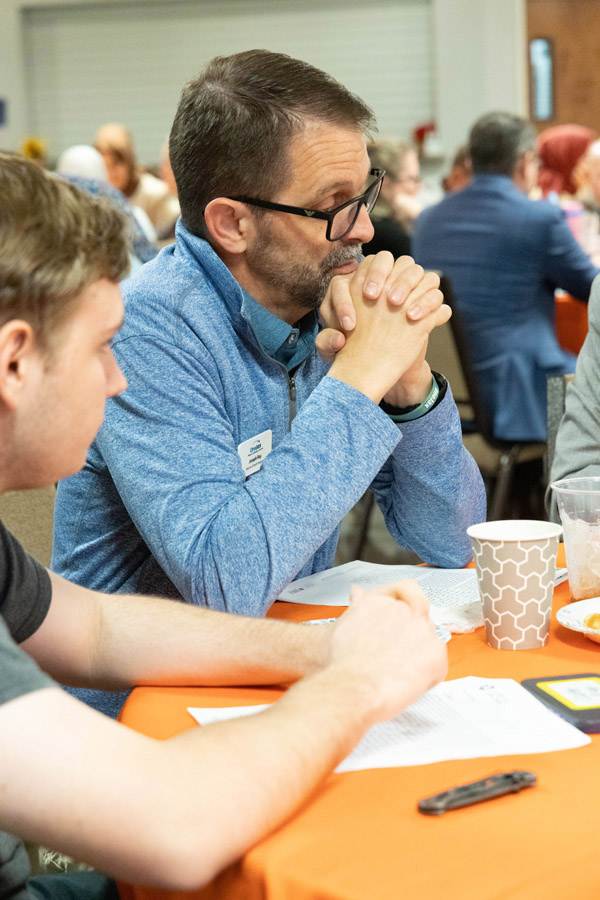
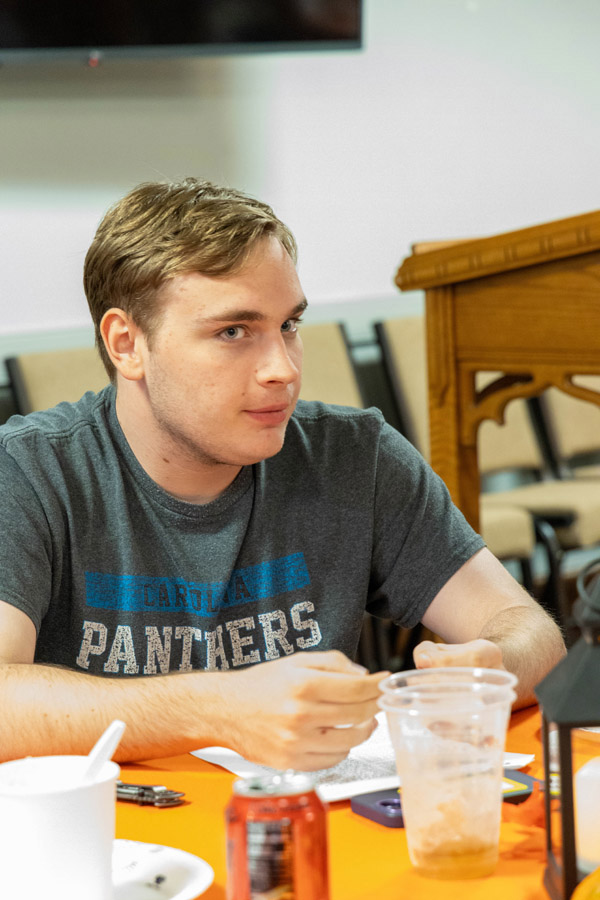
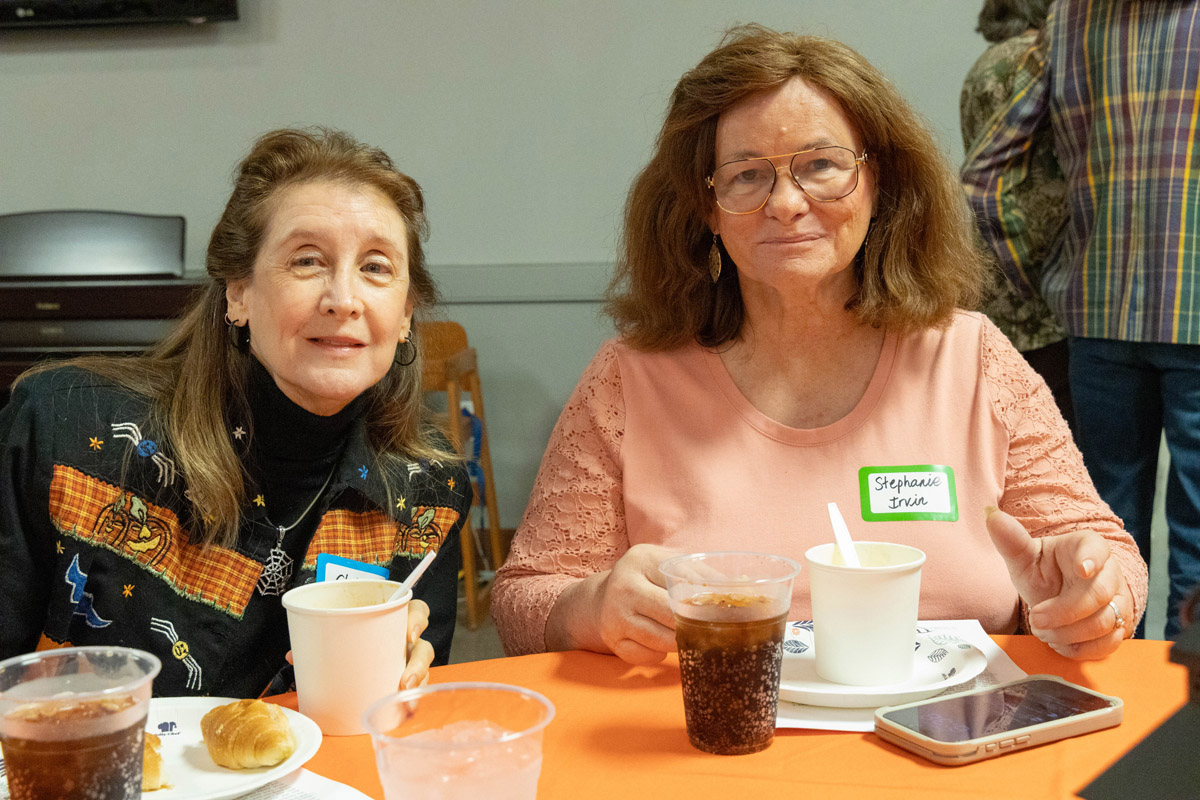
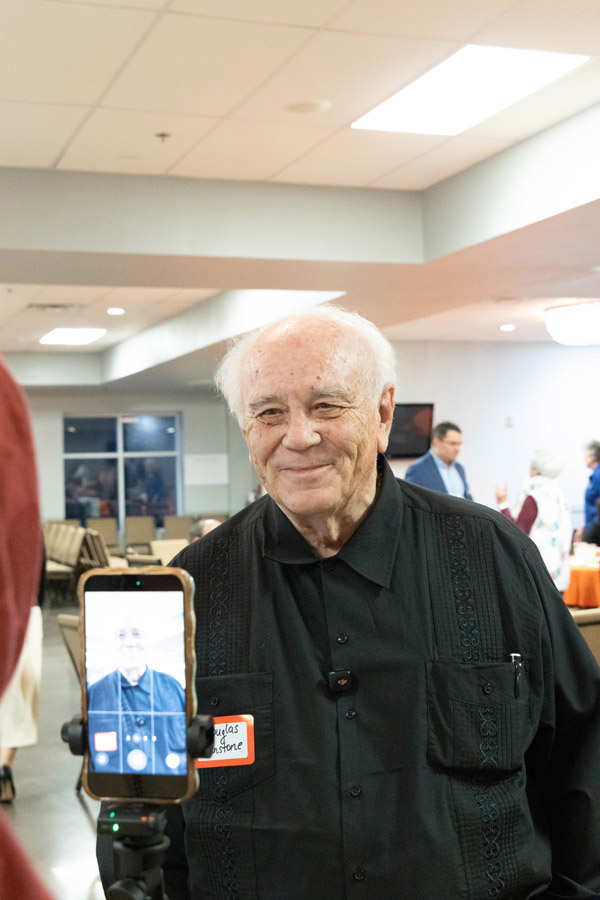
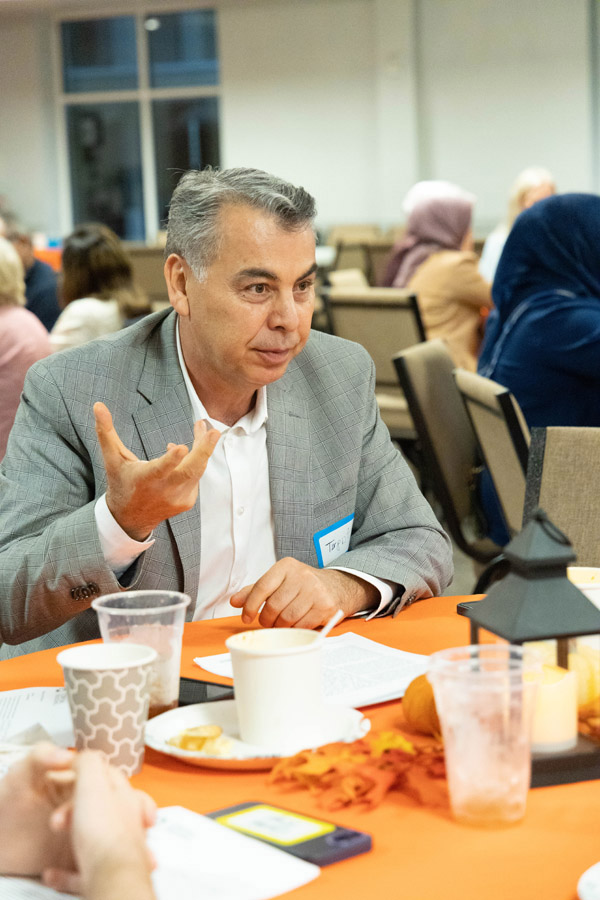
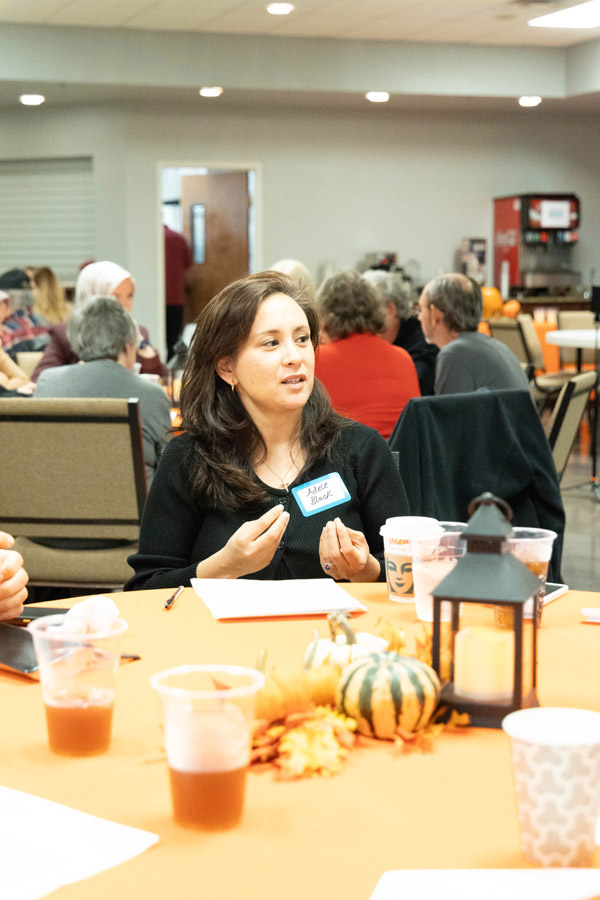
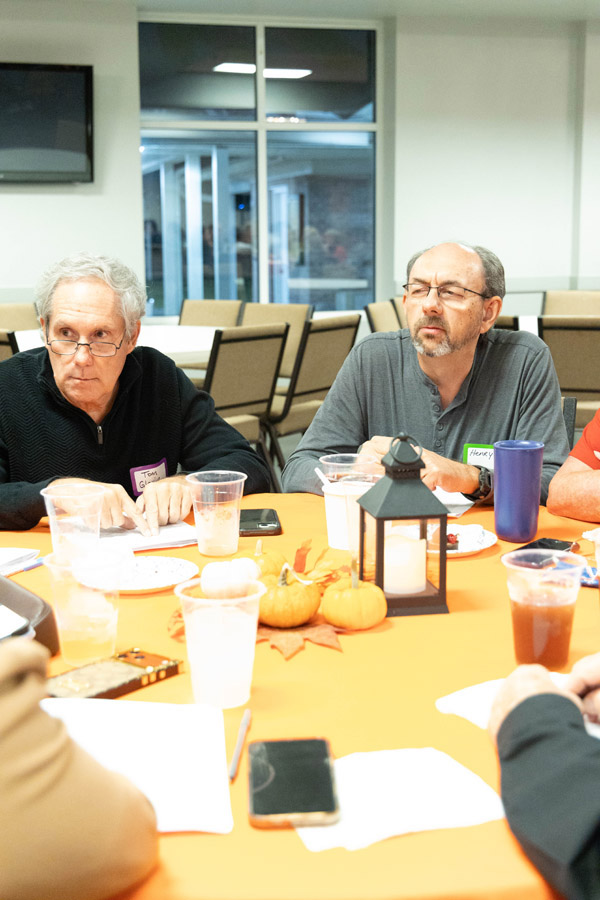
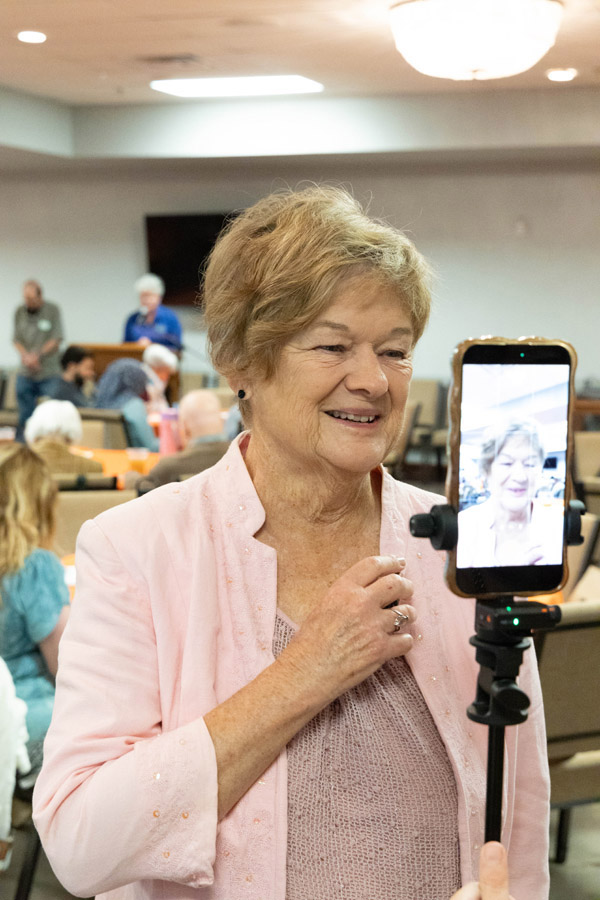
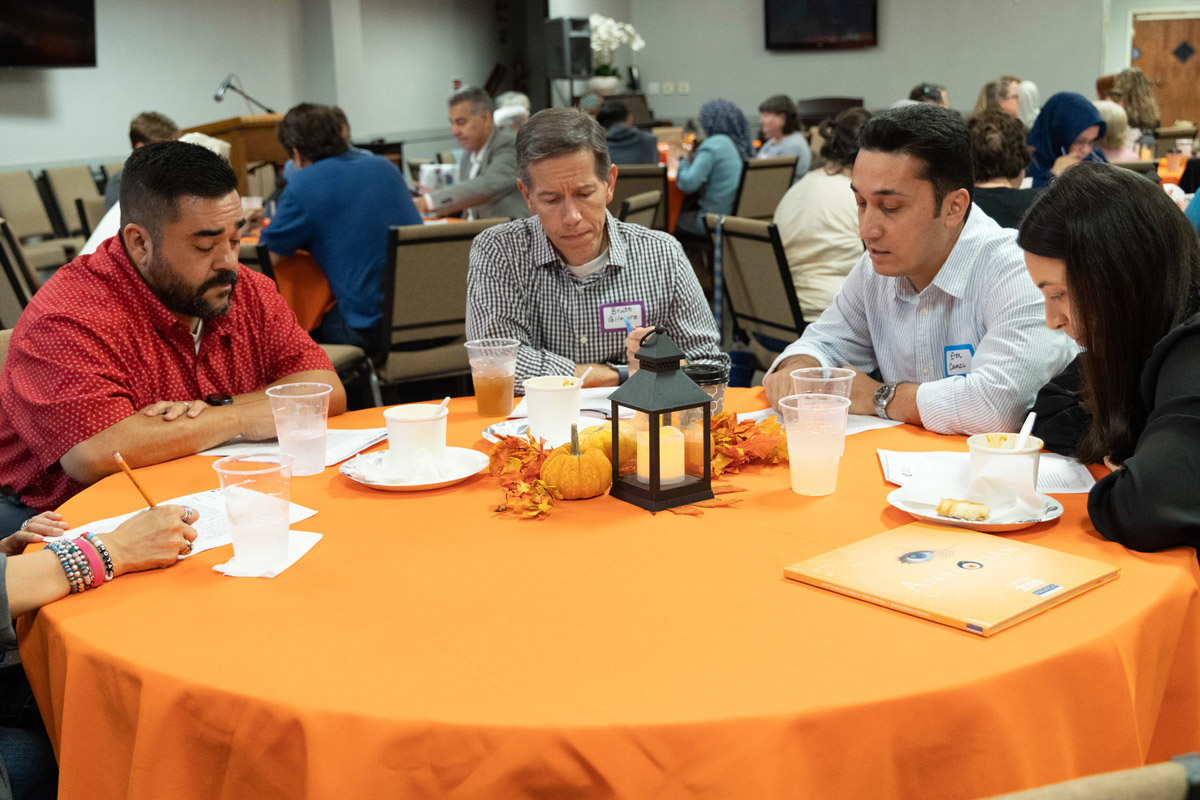
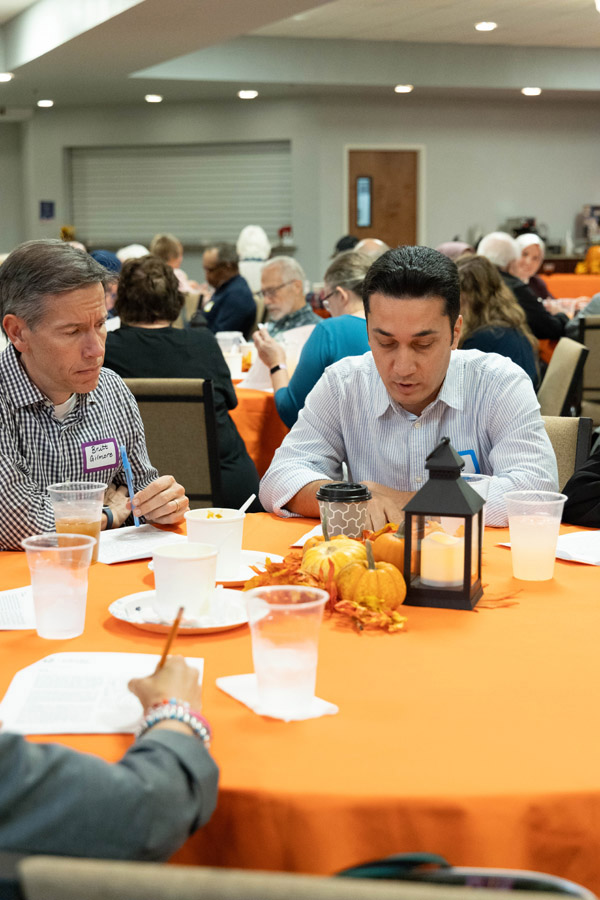
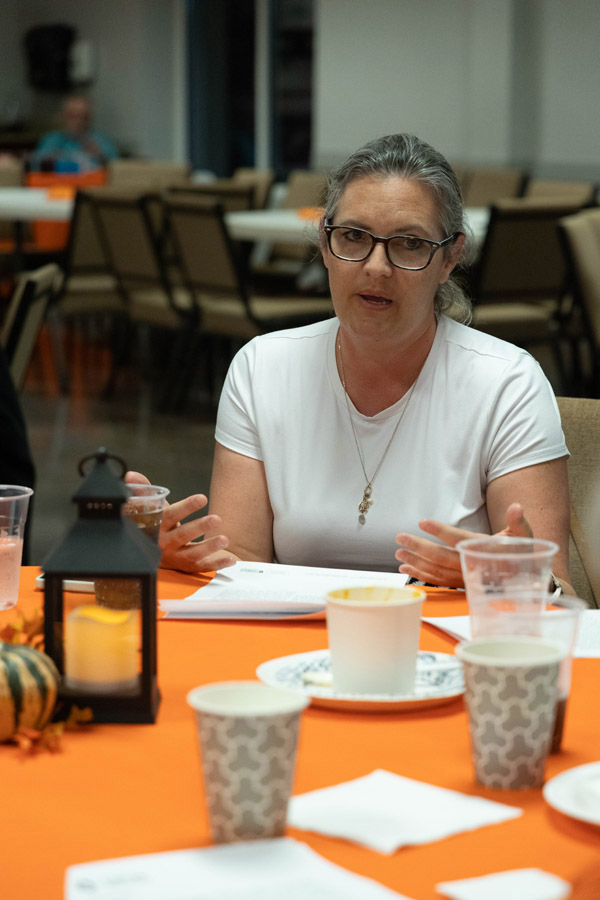
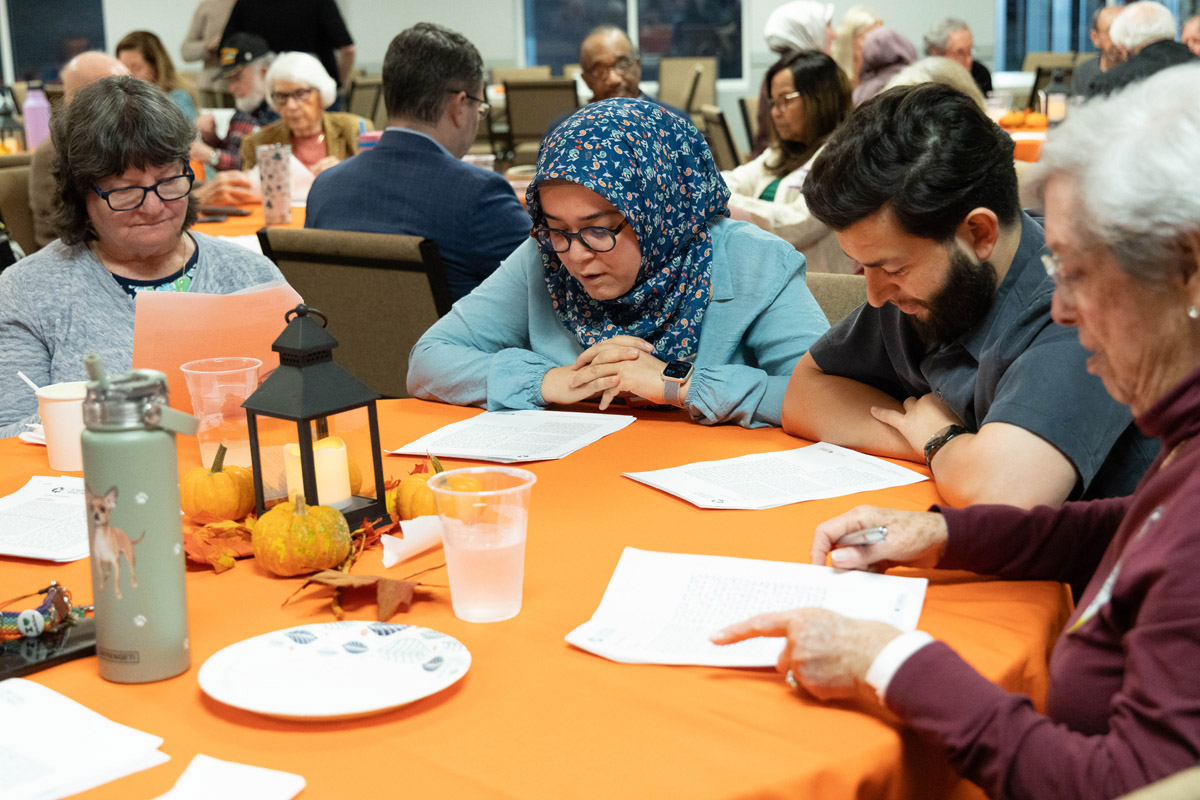
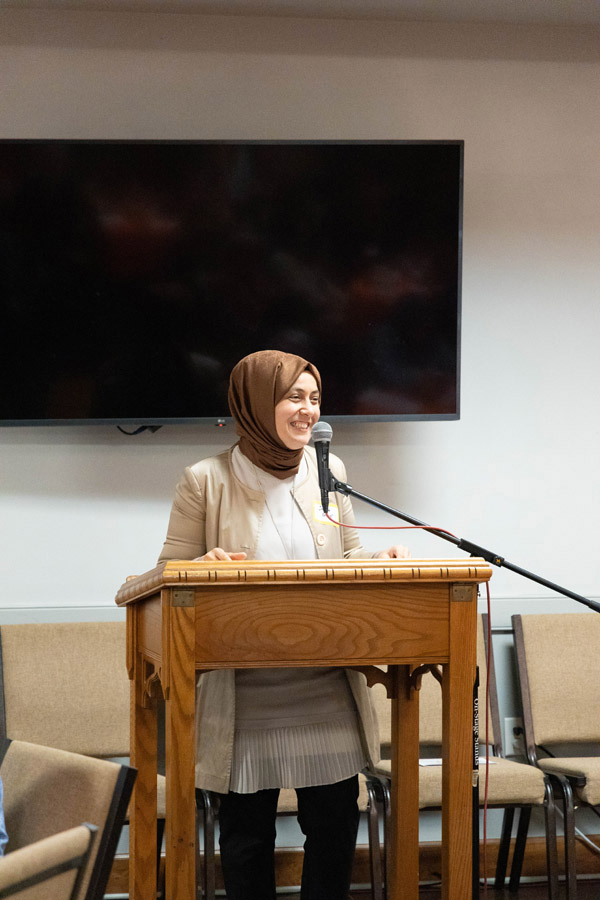
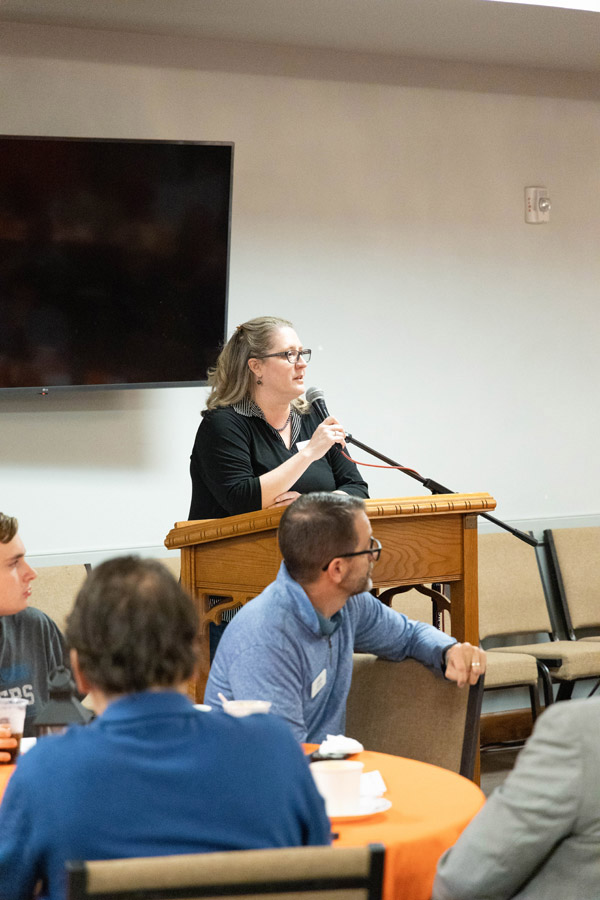
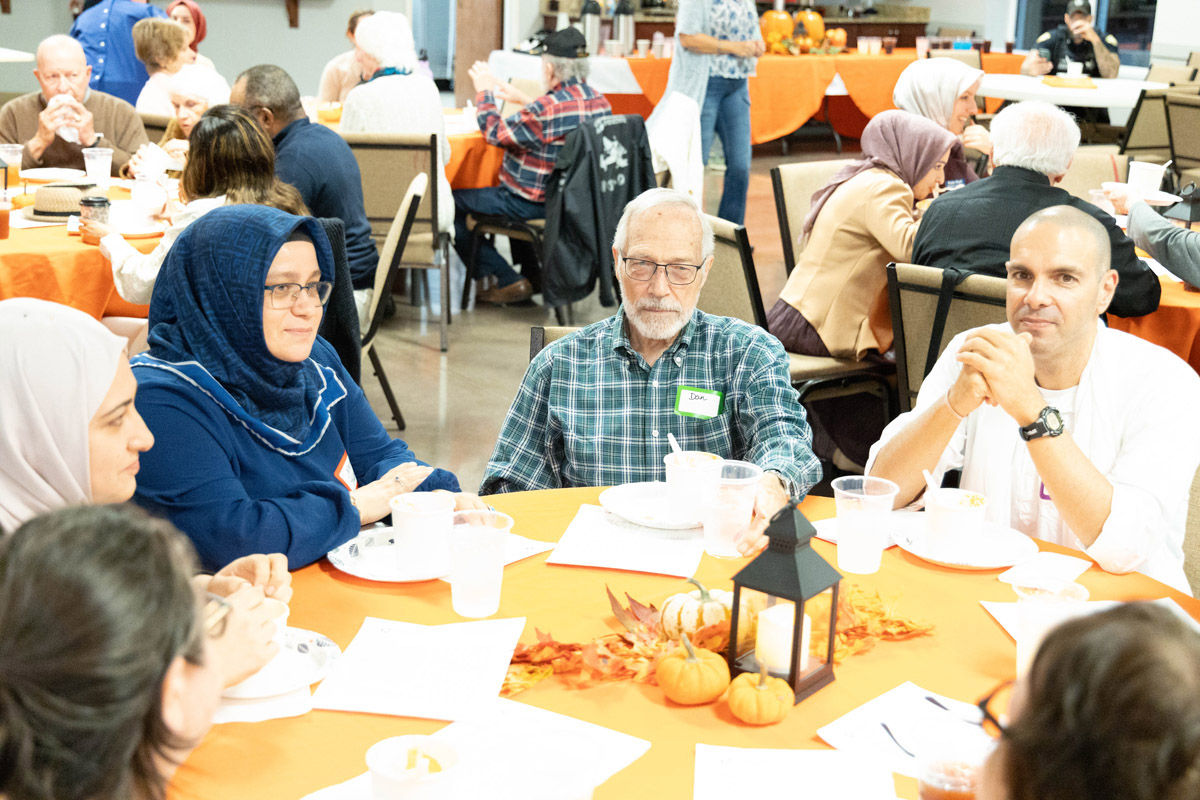
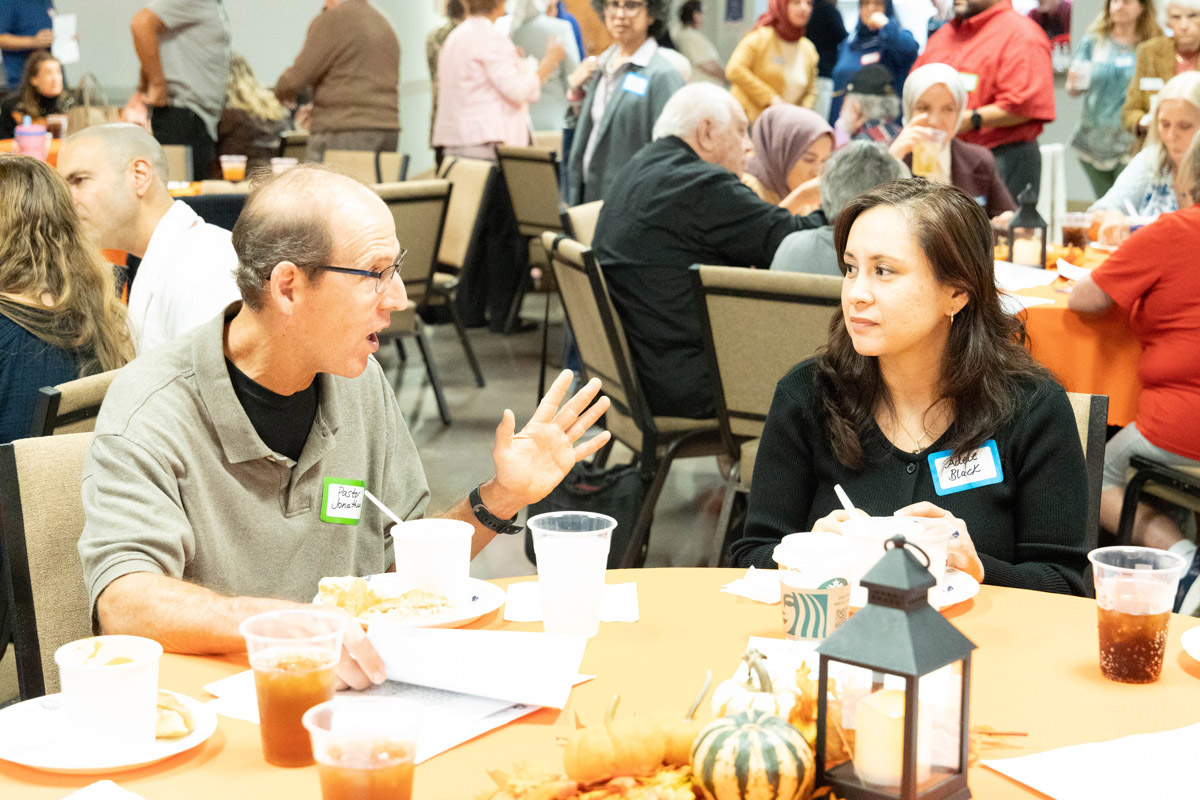
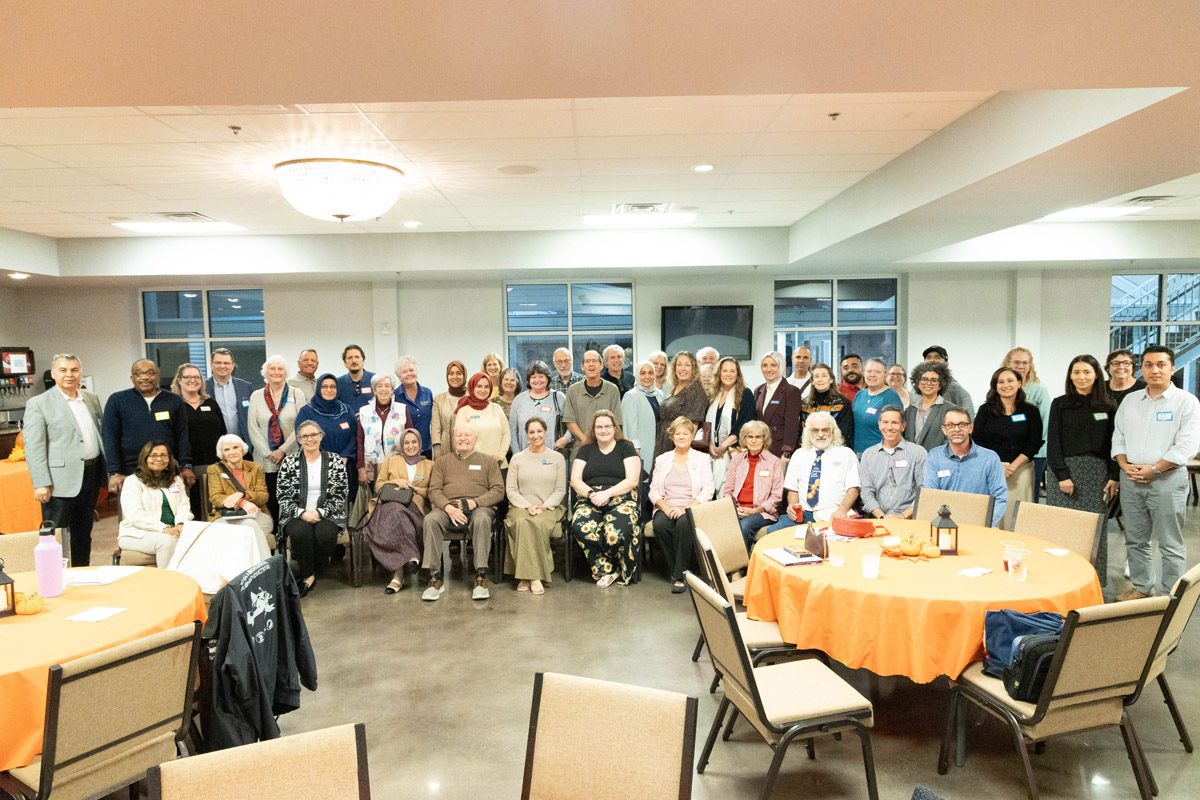
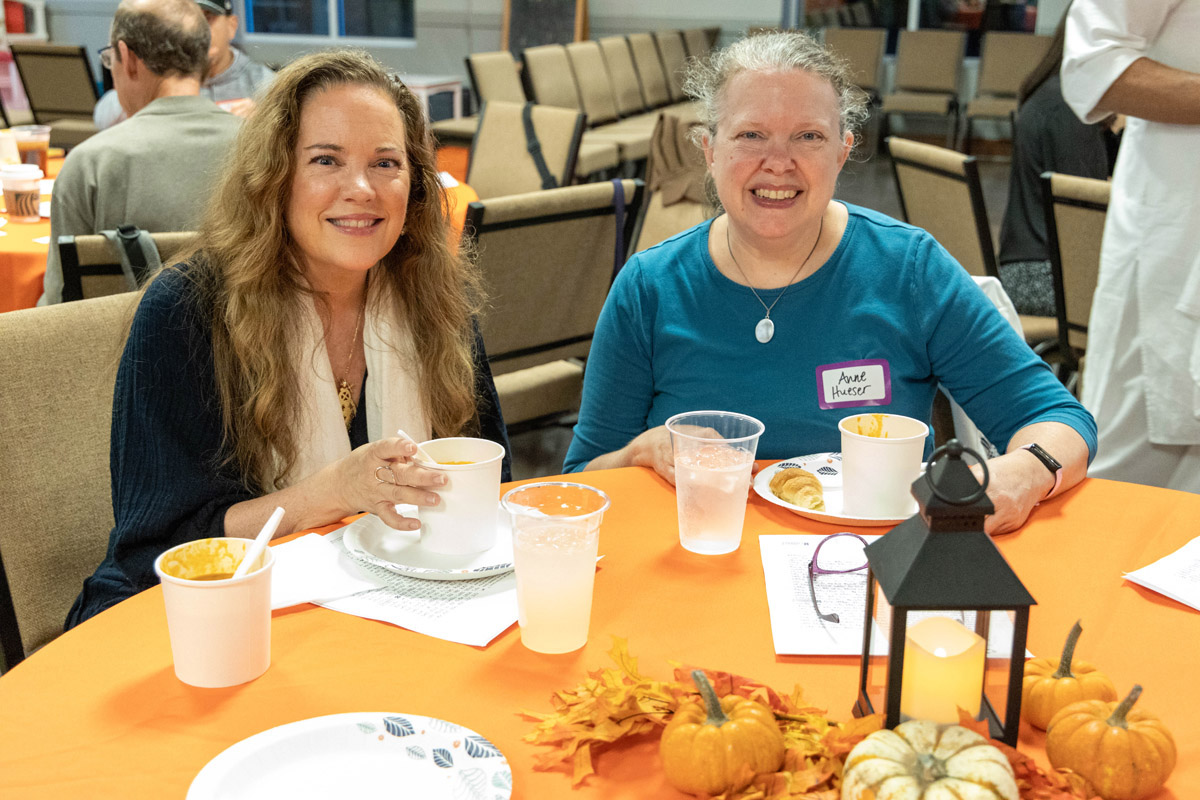
On October 20, 2026, people from different faiths, cultures, and backgrounds gathered at Mandarin United Methodist Church in Jacksonville for a Scriptural Reasoning session exploring the theme “Gates and Doors.” The gathering brought participants into conversation around passages from the Hebrew Bible, the New Testament, and the Qur’an, creating an opportunity for shared learning and respectful interfaith dialogue.
Atlantic Institute extends its sincere thanks to Mandarin United Methodist Church for hosting the gathering and to OneJax for its valued partnership in bringing the community together.
Exploring “Gates and Doors” Through Sacred Texts
Gates and doors can represent boundaries, new possibilities, freedom, and welcome. By exploring these images across three scriptural passages, participants reflected on their spiritual significance while learning from the perspectives of others.
In Genesis 28:10–22, Jacob dreams of a stairway connecting earth and heaven. Upon waking, he recognizes the sacred significance of the place and describes it as the gate of heaven. The passage invites reflection on encounters with the divine and the possibility of discovering sacred meaning in unexpected places.
In Acts 5:17–25, the apostles are imprisoned, then released by an angel and instructed to return to the temple to teach. The opening of the prison doors offers a starting point for considering faith, courage, and the responsibility to persevere in the face of obstacles.
In Surah Az-Zumar (39:68–75), the Qur’an describes resurrection, judgment, and the arrival of people at the gates of Hell and Paradise. Within this broader passage, the welcome extended to those entering Paradise offers an image of peace and hope, inviting reflection on accountability, divine mercy, and belonging.
Making Space for Understanding Across Differences
Reading these passages together created opportunities to consider both shared imagery and distinct religious meanings. Participants could explore how each text speaks within its own tradition while listening to the questions and insights of people from other backgrounds.
Scriptural Reasoning makes room for thoughtful engagement without requiring a shared interpretation. Participants bring their own beliefs to the conversation, ask questions with curiosity, and encounter perspectives that may be unfamiliar. Differences become part of the learning experience, approached with care and respect.
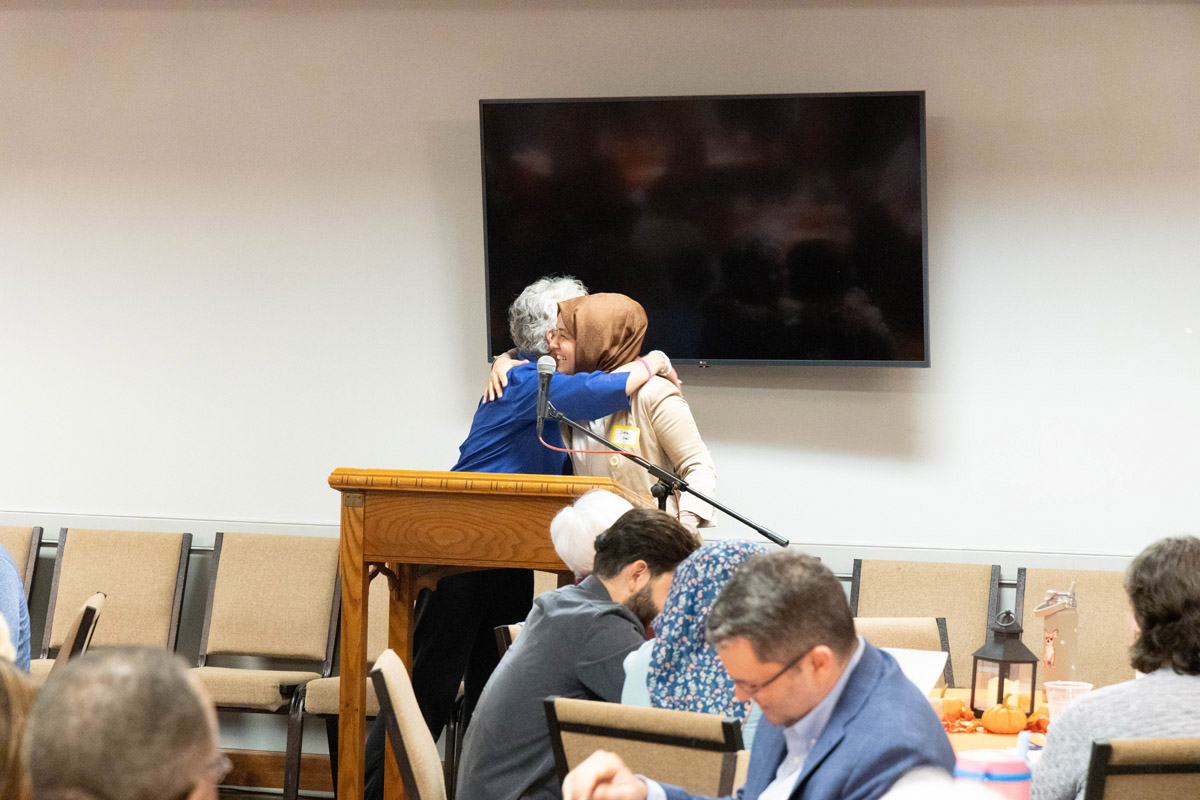
The October 20 gathering reflected the value of this approach: sacred texts provided a starting point for conversation, while listening and reflection helped build connections among participants.
Atlantic Institute is grateful to everyone who contributed their time, perspectives, and openness to the discussion. Through continued collaboration with community partners, we look forward to creating more opportunities for interfaith dialogue in Jacksonville.
We invite community members to follow Atlantic Institute’s upcoming events and take part in future conversations that encourage understanding, strengthen friendships, and make space for our neighbors.